
How to Choose the Right Office Chair for Long Working Hours in Pretoria
Office chairs that are used for long working hours face constant pressure. Many businesses assume that any chair labeled as “ergonomic” will perform well, but that assumption usually leads to early replacements and growing employee discomfort.
In workplaces where staff remain seated most of the day, durability and adjustability become more important than appearance. Chairs that feel comfortable for ten minutes in a showroom can feel completely different after several months of daily use.
Why Most Office Chairs Fail in High-Usage Work Environments
The most common failure point is not visible at the time of purchase. Weak internal components, low-density foam, and fragile bases gradually wear down under repeated daily use.
Typical signs of early chair failure include:
- Flattened seat cushioning
- Loose or unstable armrests
- Failing gas lift height adjustment
- Cracking wheel bases
Replacing damaged chairs repeatedly creates higher long-term costs than investing in stronger models from the beginning.
Understanding What Long Working Hours Mean for Chair Selection
Not all chairs face the same level of stress. A chair used occasionally in a meeting room will last significantly longer than one used continuously in administrative or service roles.
Businesses operating in the following environments should prioritize durability:
- Administrative offices
- Customer service departments
- Call centres
- Accounting teams
Chairs in these environments must support long sitting durations without losing structural strength.
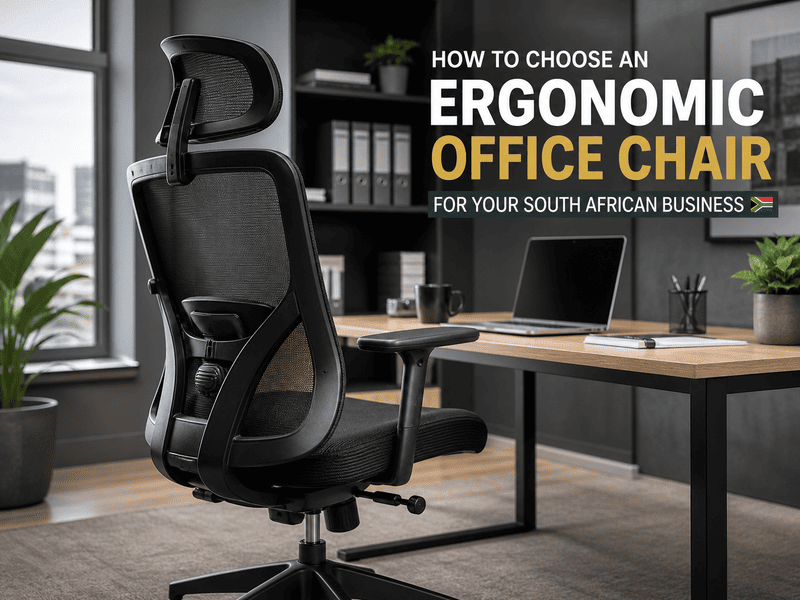
Ergonomic Features That Actually Influence Comfort
Many chair descriptions include numerous features, but only a few make meaningful differences during long workdays.
Lumbar Support
Lower back strain is one of the most frequent complaints in office environments. Chairs without lumbar support encourage slouching and uneven posture.
Adjustable lumbar support allows different users to maintain healthy posture throughout the day.
Adjustable Seat Height
Incorrect seat height creates circulation pressure and shoulder strain. Height adjustment allows employees to align seating position with desk height.
Without proper adjustment, workers often compensate with poor posture habits.
Seat Depth and Width
Seat dimensions directly influence comfort. A seat that is too shallow reduces thigh support, while a seat that is too deep places pressure behind the knees.
Choosing balanced seat depth improves long-term sitting comfort.
Adjustable Armrests
Fixed armrests often interfere with natural positioning at the desk. Adjustable armrests allow users to maintain relaxed shoulder alignment.
Over time, this reduces tension in the upper body.
Material Quality Determines Long-Term Performance
Material quality differences are rarely obvious at the time of purchase. The true difference appears only after months of regular use.
Low-quality materials tend to fail in predictable ways:
- Foam loses shape quickly
- Mesh tears under stress
- Bases weaken over time
- Moving parts become unstable
Durable office chairs typically include:
- High-density foam padding
- Reinforced nylon or metal bases
- Commercial-grade upholstery
- Smooth rolling caster wheels
Matching Chair Types to Workplace Roles
Different job functions require different chair styles. Using identical chairs across all departments may simplify purchasing but does not always produce the best comfort outcomes.
Executive Office Chairs
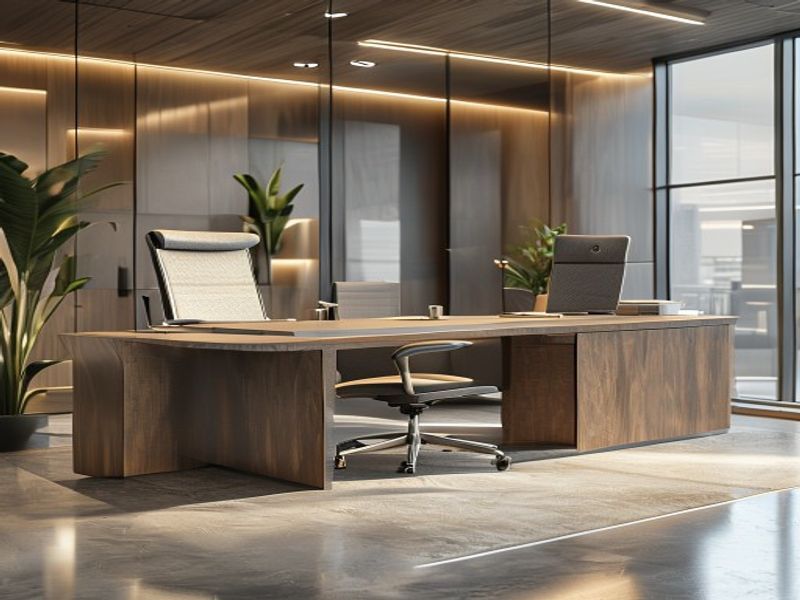
Executive chairs are designed for leadership offices where comfort and appearance both matter. They are larger and often include additional cushioning.
However, oversized chairs are not suitable for compact workstations.
Task Chairs
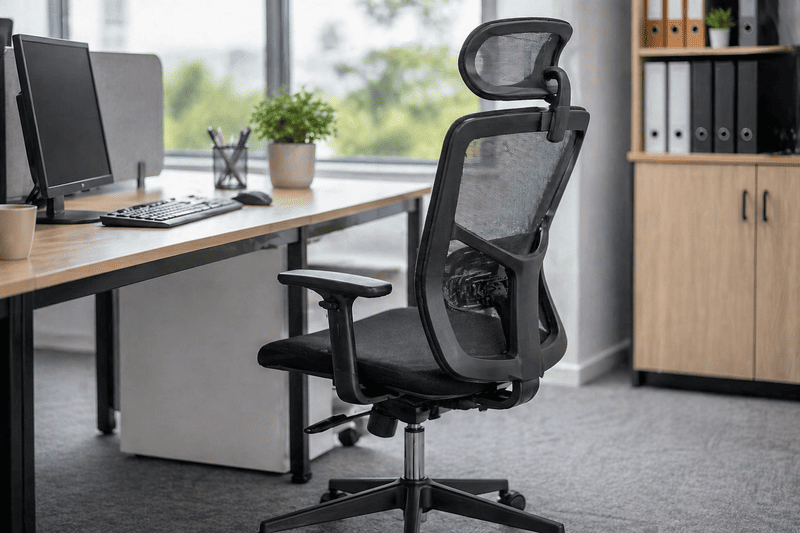
Task chairs are commonly used in daily office environments. They are compact, adjustable, and adaptable to most desk setups.
These chairs provide flexibility without occupying unnecessary space.
High-Usage Workstation Chairs
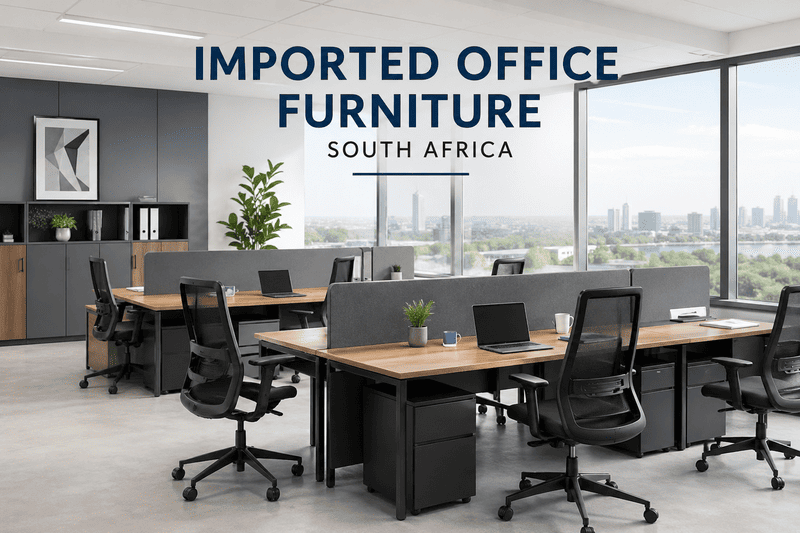
Workstation chairs are built specifically for repetitive daily use. They typically include stronger frames and more adjustment features.
These models are better suited for demanding office environments.
The Hidden Cost of Low-Priced Chairs
Lower-cost chairs often appear attractive during initial purchasing decisions. However, repeated replacement cycles create additional expense and disruption.
Common long-term failures include:
- Collapsed cushioning
- Broken bases
- Faulty height adjustment systems
- Loose mechanical components
Durable seating solutions reduce downtime and maintenance costs.
Productivity and Seating Comfort Are Closely Connected
Uncomfortable seating leads to frequent posture changes and distractions. These interruptions reduce concentration levels throughout the workday.
Businesses that improve seating quality often experience:
- Fewer employee discomfort complaints
- Improved concentration
- More stable daily productivity
Comfort is not simply a preference—it directly affects performance.
Weight Capacity and Load Limits Should Not Be Ignored
Many chairs are purchased without checking recommended weight limits. Chairs used beyond their rated capacity wear down faster and fail earlier.
Checking manufacturer load ratings reduces the risk of structural damage.
Buying Office Chairs in Bulk Requires Planning
Bulk purchasing introduces different considerations compared to buying individual chairs.
Businesses should confirm:
- Product consistency across all units
- Availability of spare parts
- Clear warranty coverage
- Supplier support for maintenance
Ignoring these factors creates long-term operational challenges.
Testing Chairs Before Purchase Reduces Risk
Comfort cannot be evaluated accurately through images alone. Testing chairs before purchasing allows businesses to identify potential issues early.
Important testing steps include:
- Sitting for several minutes
- Testing height adjustment
- Checking stability
- Evaluating movement smoothness
Hands-on testing significantly reduces dissatisfaction after installation.
Common Office Chair Buying Mistakes to Avoid
- Choosing chairs based only on price
- Ignoring ergonomic adjustments
- Buying oversized models for small spaces
- Skipping durability checks
- Purchasing without testing comfort
Final Thoughts on Choosing Office Chairs for Long Working Hours
Office chairs influence comfort, posture, and productivity every day. Treating seating as a low-priority purchase usually leads to repeated replacement cycles and increased long-term costs.
Careful selection based on durability and ergonomics supports consistent workplace performance and reduces operational disruption.
Looking for ergonomic office chairs in Pretoria?
Yu Furniture supplies quality office chairs, desks, boardroom tables and reception counters — delivered and assembled across Pretoria and Gauteng.
Q&A
What type of office chair is best for long working hours?
Task chairs with adjustable lumbar support, seat height, and armrests are usually the best choice for long working hours. Chairs designed for daily office use provide better posture support and remain comfortable during extended sitting.
How long should a quality office chair last in a busy office?
A durable office chair used daily in a professional environment typically lasts between five to eight years. Chairs made with lower-grade materials often begin failing within one to two years, especially under heavy use.
Are ergonomic office chairs worth the higher cost?
Ergonomic office chairs usually cost more upfront, but they reduce long-term replacement frequency and help maintain employee comfort. Businesses often save money over time by avoiding repeated purchases of lower-quality chairs.
What should businesses check before buying office chairs in bulk?
Before placing bulk orders, businesses should confirm weight capacity ratings, material quality, warranty coverage, and spare part availability. Consistency across all units is also important to avoid uneven wear patterns.
How do I know if an office chair supports proper posture?
A chair supports proper posture if the user can sit with feet flat on the floor, knees at a natural angle, and the lower back supported without leaning forward. Adjustable features make proper alignment easier to achieve.